
E-commerce· 6 min read
The festive-season playbook: shipping 3× the orders without 3× the chaos
What we change in slotting, rider rosters and returns control six weeks before Diwali, and the three numbers we check every morning.
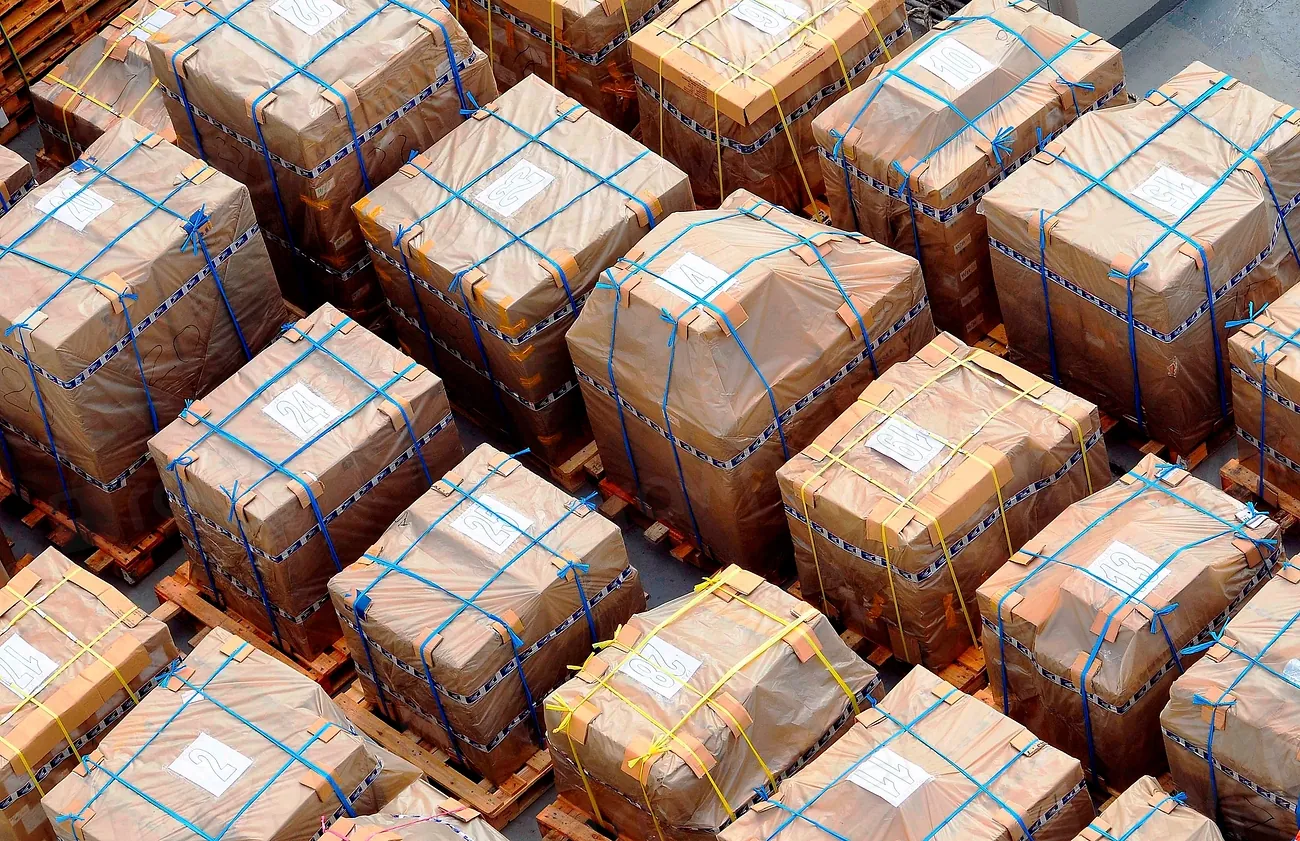
Peak season does not break an operation. An unplanned peak season does. Every year the order curve for D2C and marketplace brands in North India starts climbing in late September and peaks in the week before Diwali. The brands that come through it well start preparing in August.
Six weeks out: fix the warehouse first
We re-slot the top 20% of SKUs by velocity to the pick faces nearest the packing stations. That one change usually cuts picker walking time by a third. We also freeze non-critical SKU and listing changes for the peak window, because every new barcode is a new chance for a mis-pick.
Packing material, labels and printer ribbons are ordered for 1.5× the forecast. Running out of 10×10 boxes on day three of a sale costs more than the extra stock ever will.
Two weeks out: riders by pin code, not by city
We plan last-mile capacity per pin code from last year's order density, not as one number for Delhi NCR. Gurugram's Sector 56 and Noida's Sector 62 behave nothing alike. Address-quality checks run at order time, so incomplete addresses get a WhatsApp nudge before the parcel ever leaves the warehouse.
During the peak: three numbers every morning
Orders older than 24 hours that have not shipped. First-attempt delivery rate by pin code. Return-to-origin by pin code and by payment mode. If any of them drifts, the control tower acts the same day by adding a wave, re-routing a rider cluster or switching COD orders in a problem area to prepaid-only.
None of this is exotic. It is simply decided early, written down and checked daily. That is what keeps a 3× week from turning into a month of escalations.
Want us to look at your lanes?
Request a quote